Cape Parrot Project
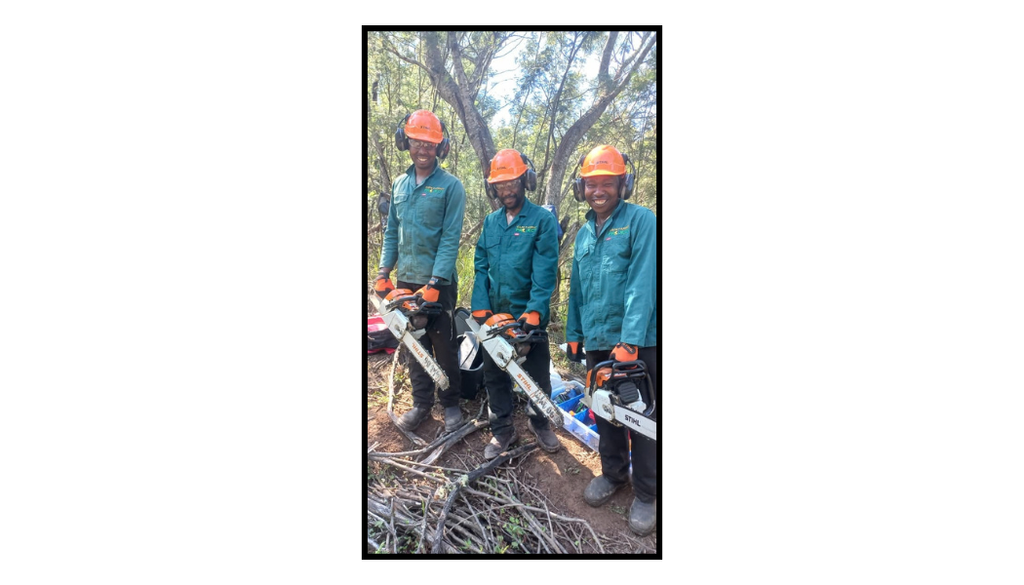
Just as Spring suddenly arrives, so does restoration season at the CPP. As part of our conservation implementation work, we undertake restoration work in and around the State Forests at this time of the year. It coincides with the rains – so the alien vegetation removal work that we do is simultaneously easier – think soft ground and pliable root systems – and much, much harder – think damp people, slidey paths, herbicide application that is ineffective and thus has to be delayed. Of course, the baby trees need the rains to survive, so this is the best timing for them.
Parrots need forests
One of the main reasons that Cape Parrots are in difficulty and have become endangered is because of
historical logging that took place in the late 19th and early 20th centuries. The very trees that the parrots would now be starting to use for their nesting sites – being old dead or dying trees where they can make cavities – are the trees that were removed in those times. Of course, we plant small trees,
so this a long game – but we hope that the upwards of 15 species of trees that we grow in our community-based nurseries will go a long way to feeding and supplying shelter for many vulnerable forest plant and animal species in the meantime.
Impacts and plans
To date, in collaboration with the Department of Forestry, Fisheries and the Environment, and some private landowners (as well as our generous funders and supporters) we have been able to restore and maintain over 300ha of forest and plant over 85000 indigenous trees. This year we are working over 50ha of the Never Daunted site, removing highly invasive Kahili Ginger (Hedychium gardnerianum) – hey, gardeners, please think about removing this tenacious species from your planting! – and planting 4000 trees. In the Wolf River area we will be impacting about 8ha of a forest edge site and a further 5km of riparian zone to conduct alien vegetation management and plant 6000 trees.
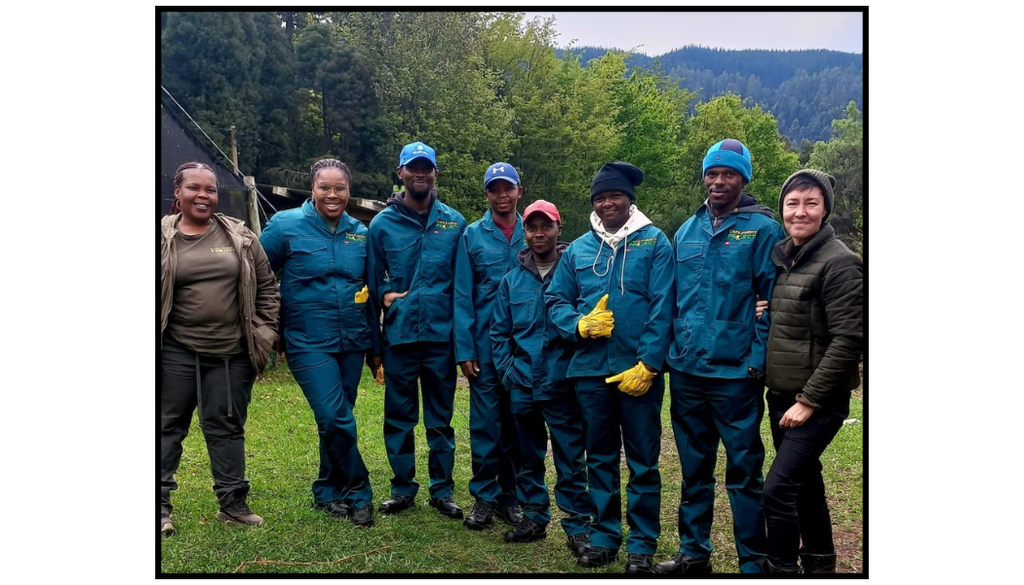
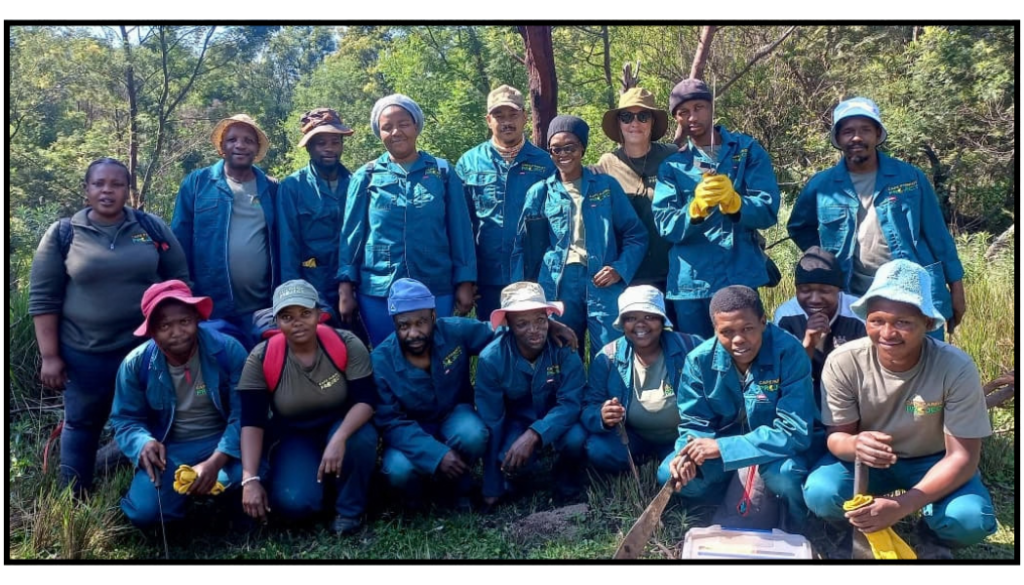
This work will allow us to employ an additional 18 community members on the sites for 3 months on fixed-term contracts. In addition, we are able to purchase the trees from the community growers – so an additional 42 people will receive an income-boost in this way.
There is much planning, logistics and funding support that goes into all this work. A big shout out to our planting site co-funders, the Greenpop Foundation and the Briandez Legacy Trust and, of course, to the CPP team for making it all happen.
For more information follow us on the socials:
https://www.facebook.com/capeparrotproject
https://www.instagram.com/capeparrotproject/
https://www.youtube.com/channel/UCK13Mty-w3USNHtOs1OEpdQ
https://www.linkedin.com/company/cape-parrot-project/
Contact: Susan Wishart (Project Manager) susan@wildbirdtrust.com 067 416 7219