
Of course, human beings love to surround themselves with things that appeal to their individual
preferences – be it décor, garden plants, pets and even people. This is completely normal and
the variety of those preferences make this world the interesting place that it is. The question is –
are any of us prepared to forgo our own preferences for the greater good? – in the 2020s we
have more information than ever before about the impact human beings have on the
environment (and on our fellow beings) – does that knowledge ever cause us to modify our
choices?
Opportunities with nature
Ironically, we often move to already beautiful places and then set about, with some vigour, to
conform them to our own idea of beauty, failing to take into account the plants and the little
creatures that make up the ecosystems that support larger bird and animal species. It would be
interesting to know how many Hogsbackians are aware that our village was once a grassland –
part of a forest-grassland mosaic, supporting grassland specialists that are now under pressure
as the grassland biome is South Africa’s most threatened.
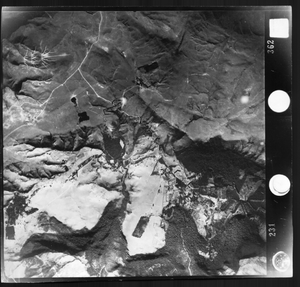
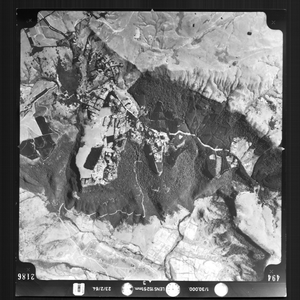
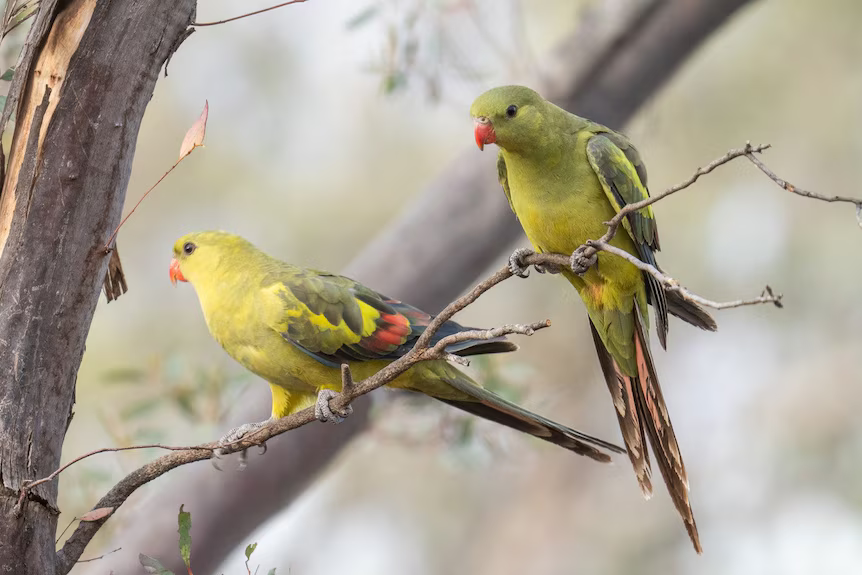
As we draw on our ever-increasing knowledge of ecosystems and the commensurate relationship between species (think a a fly with a long proboscis and a deep-tubed grassland flower), there is the opportunity for us to work with nature to bring something of the indigenous back where it has been lost. In this interesting article , a 40ha vineyard in Australia was restored to native vegetation, drawing back animals including the threatened Regent Parrot – https://www.abc.net.au/news/2026-09-27/vines-to-vegetation-property-restored-endangered-bird-species/107160854
Nothing’s perfect
It may not be possible, or even desirable, to return a landscape to what it was before humans came on the scene, for example, in its restoration work, after undertaking the necessary research and monitoring, the Cape Parrot Project sometimes makes the deliberate choice to restore an area that is too transformed to secondary forest, rather than to grassland. In addition, people grow crops for food, plant trees for shade and plant ornamentals for pleasure. Nonetheless, when working on our land, we would encourage everyone to consider the myriad indigenous plants available to us, or even to consider assisted natural regeneration – taking out invasive alien species and waiting to see what decides to come back. Who knows – we may just discover a species we may have thought lost to us in this part of the world, or even see the return to our gardens of some of the birds and animals – including the Cape Parrot, that have been displaced by transformed ecosystems. We have some ideas for ‘planting this, instead of that’ – so please let us know if you are interested in more information. Alternatively, here are some books that might be useful – there are sure to be many websites too:
Botha, C. and Botha, J., 1995. Bring Nature Back to Your Garden. Durban: Wildlife and Environment Society of South Africa (WESSA).
Bredenkamp, C.L. (ed.), 2019. A Flora of the Eastern Cape Province. Strelitzia 41 (Vols 1–3). Pretoria: South African National Biodiversity Institute (SANBI).
Honig, M., 2014. Indigenous Plant Palettes: An Essential Guide to Plant Selection. Cape Town: Quivertree Publications.
Pooley, E., Nichols, G. and Hankey, A., 2025. South African Indigenous Garden Plants: The Gardener’s Guide. Cape Town: Flora & Fauna Publications Trust and Struik Nature.
For more information follow us on the socials:
https://www.facebook.com/capeparrotproject
https://www.instagram.com/capeparrotproject
https://www.youtube.com/channel/UCK13Mty-w3USNHtOs1OEpdQ
https://www.linkedin.com/company/cape-parrot-project
Contact: Susan Wishart (Project Manager) susan@wildbirdtrust.com 067 416 7219