

By Billy & Gigi Breytenbach
As summer approaches Hogsback, the mountain comes alive. Warmer temperatures, increased rainfall and lush vegetation create ideal conditions for growth and new life. Unfortunately, these same conditions also favour the survival and reproduction of many parasites and disease-carrying organisms that threaten the health of our dogs and cats. Understanding how diseases develop, spread and can be prevented is an important part of responsible animal care.
Parasites: Small Organisms, Big Problems
Warm, humid conditions encourage the development of fleas, ticks and certain intestinal parasites. Increased rainfall can also create environments where parasite eggs and larvae survive more readily. Internal parasites, such as roundworms and hookworms, can cause malnutrition, anemia, diarrhea and poor growth, particularly in puppies and kittens. Some can also infect humans. External parasites, including ticks, fleas and mites, cause skin irritation, hair loss and inflammation. Ticks can transmit serious diseases, while persistent scratching and damaged skin may lead to secondary bacterial infections. Regular deworming, appropriate external parasite control and keeping sleeping areas clean and dry are essential preventative measures.
Vaccination: Teaching the Immune System to Fight
Vaccines stimulate an animal’s immune system to recognise and defend against specific infectious diseases before natural exposure occurs. Two particularly dangerous viral diseases affecting dogs are canine parvovirus and distemper. Parvovirus attacks rapidly dividing cells, particularly in the intestines, causing severe vomiting, often bloody diarrhea and potentially life-threatening dehydration. The virus is highly contagious and can survive in contaminated environments for prolonged periods.
Distemper affects the respiratory, digestive and nervous systems. Surviving animals may suffer permanent neurological damage. Rabies deserves special attention. This viral disease affects the nervous system of mammals, including humans, and is almost invariably fatal once clinical symptoms develop. Vaccinating dogs and cats protects not only individual animals but the entire community. Puppies and kittens require a series of vaccinations because the temporary immunity received from their mothers gradually declines. Consult your veterinarian about the appropriate vaccination and booster schedule.
Bacterial Infections: When Antibiotics Are Necessary
Not all infections are caused by viruses or parasites. Bacteria can enter through damaged skin, wounds or other vulnerable tissues, causing infections such as pyoderma (bacterial dermatitis). Antibiotics can be lifesaving when bacterial infections require treatment. However, antibiotics do not kill viruses, including those responsible for parvovirus, distemper and rabies. A veterinarian may prescribe antibiotics for secondary bacterial complications, but unnecessary or incorrect use contributes to antimicrobial resistance, making future infections harder to treat.
A Healthier Mountain Starts With Us
Preventative healthcare is more affordable, less stressful and generally more effective than treating advanced disease. As the summer rains arrive, check your animals’ vaccination records, deworming schedules and parasite protection. Watch for unusual behaviour, loss of appetite, persistent scratching, vomiting or diarrhea, and seek veterinary advice early. Through our work with Dogsback Vetshop, alongside Dr K. Hagemann, and Dogs of Glory (Billy & Gigi Animal Behaviour), we experience the importance of animal health, responsible ownership and preventative care firsthand.
Together with the Wayne Kent Animal Fund (WKAF), we believe that education, prevention and
community cooperation are essential to improving animal welfare throughout Hogsback.
Healthy animals, healthier families, and a healthier mountain community.
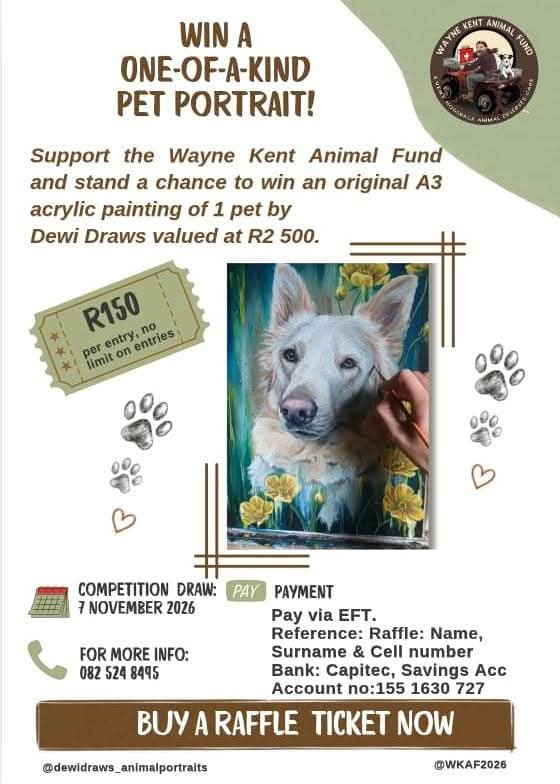
On 7 November 2026 we will announce the winner of the Big 2026 Sterilisation Drive. Since the raffle launched on 5 October 2026, we have been understandably excited about the opportunity to sterilise 50 animals in Hogsback.
We are honoured to be partnering with @Dr Nomfa Nyathela, the State Veterinarian, on this initiative. Spaying and neutering animals in our community help keep them healthy, prevent unwanted litters, and reduce behavioral problems like roaming and aggression.
Everything is falling into place, and you have until the morning of 7 November 2026 to purchase a raffle ticket.
It is quite elementary (my dear Watson). The more funds we raise, the more sterilisations we can fund.
Here is how you enter:
Buy a ticket by paing via EFT.
Reference: Raffle: Name and Surname
Bank: Capitec, Savings Acc
Account no:155 1630 727
The prize is an original painting by Dewi Draws – Animal Portraits